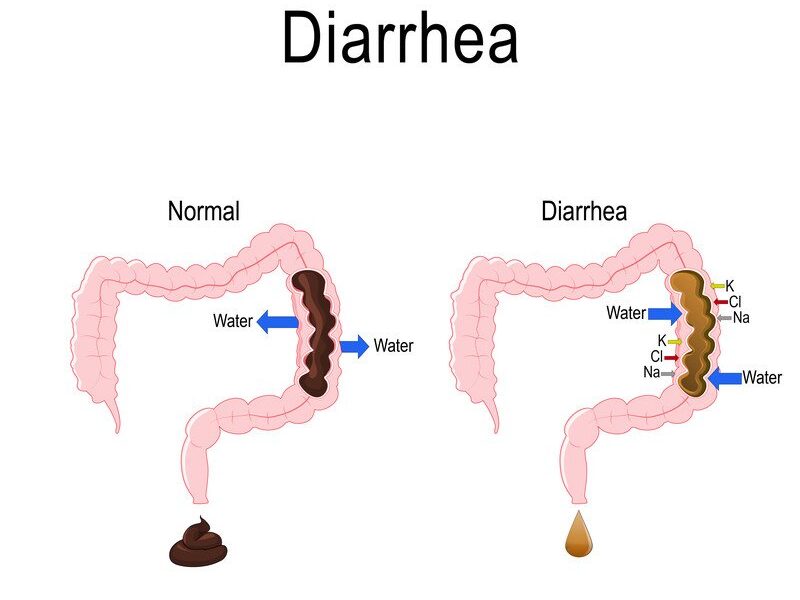


Diarrhea is characterized by loose, watery and frequent bowel movements that may be accompanied by other symptoms such as nausea, vomiting, abdominal pain or weight loss. Diarrhea can have various causes, ranging from infections and food intolerance to chronic diseases and medications. In most cases, diarrhea is mild and self-limiting, but sometimes it can be severe and require medical attention. In this blog post, we will discuss the causes, symptoms and treatment of diarrhea, as well as some tips on how to prevent it.
What causes diarrhea?
Diarrhea can be caused by many factors, but some of the most common ones are:
• Infections: Viruses, bacteria and parasites can infect the digestive tract and cause inflammation, irritation and increased fluid secretion. Some of the most common infectious agents that cause diarrhea are norovirus, rotavirus, salmonella, E. coli, campylobacter and giardia. These infections can be transmitted through contaminated food, water or contact with infected people or animals.
• Food intolerance: Some people may have difficulty digesting certain foods or ingredients, such as lactose, gluten, fructose or artificial sweeteners. This can result in gas, bloating and diarrhea after eating these foods. Food intolerance is different from food allergy, which involves an immune system reaction that can cause more serious symptoms such as hives, swelling and anaphylaxis.
• Irritable bowel syndrome (IBS): IBS is a chronic condition that affects the function of the large intestine. It causes symptoms such as abdominal pain, cramping, bloating and changes in bowel habits, including diarrhea or constipation. The exact cause of IBS is unknown, but it may be related to stress, diet, hormones or genetics.
• Inflammatory bowel disease (IBD): IBD is a group of chronic conditions that cause inflammation and ulcers in the lining of the digestive tract. IBD has two major forms: ulcerative colitis and Crohn’s disease. Both conditions can cause symptoms such as diarrhea, abdominal pain, bleeding, weight loss and fatigue. The exact cause of IBD is unknown, but it may be related to an abnormal immune system response to environmental or genetic factors.
• Medications: Some medications can have diarrhea as a side effect or interact with the normal bacteria in the gut. Some of the most common medications that can cause diarrhea are antibiotics, antacids, laxatives, chemotherapy drugs and nonsteroidal anti-inflammatory drugs (NSAIDs).
• Other causes: Diarrhea can also be caused by other factors such as stress, anxiety, alcohol consumption, excessive caffeine intake, surgery, radiation therapy or certain diseases such as diabetes, hyperthyroidism or celiac disease.
What are the symptoms of diarrhea?
The main symptom of diarrhea is having loose, watery stools three or more times a day. Other symptoms may include:
• Urgency to go to the bathroom
• Abdominal pain or cramping
• Bloating or gas
• Nausea or vomiting
• Fever or chills
• Dehydration
• Blood or mucus in the stool
How is diarrhea diagnosed?
Diarrhea is usually diagnosed based on the history of symptoms and a physical examination. In some cases, additional tests may be needed to identify the cause of diarrhea or rule out other conditions. These tests may include:
• Stool culture: A sample of stool is sent to a laboratory to check for the presence of bacteria, viruses or parasites that may cause infection.
• Blood tests: A sample of blood is taken to check for signs of inflammation, infection or dehydration.
• Colonoscopy: A thin flexible tube with a camera is inserted through the anus to examine the inside of the colon and look for any abnormalities such as inflammation or ulcers.
• Imaging tests: X-rays, ultrasound or CT scans may be used to visualize the abdomen and look for any problems such as blockages or tumors.
How is diarrhea treated?
Diarrhea: Causes, Symptoms and Treatment
Diarrhea is characterized by loose, watery and frequent bowel movements that may be accompanied by other symptoms such as nausea, vomiting, abdominal pain or weight loss.…